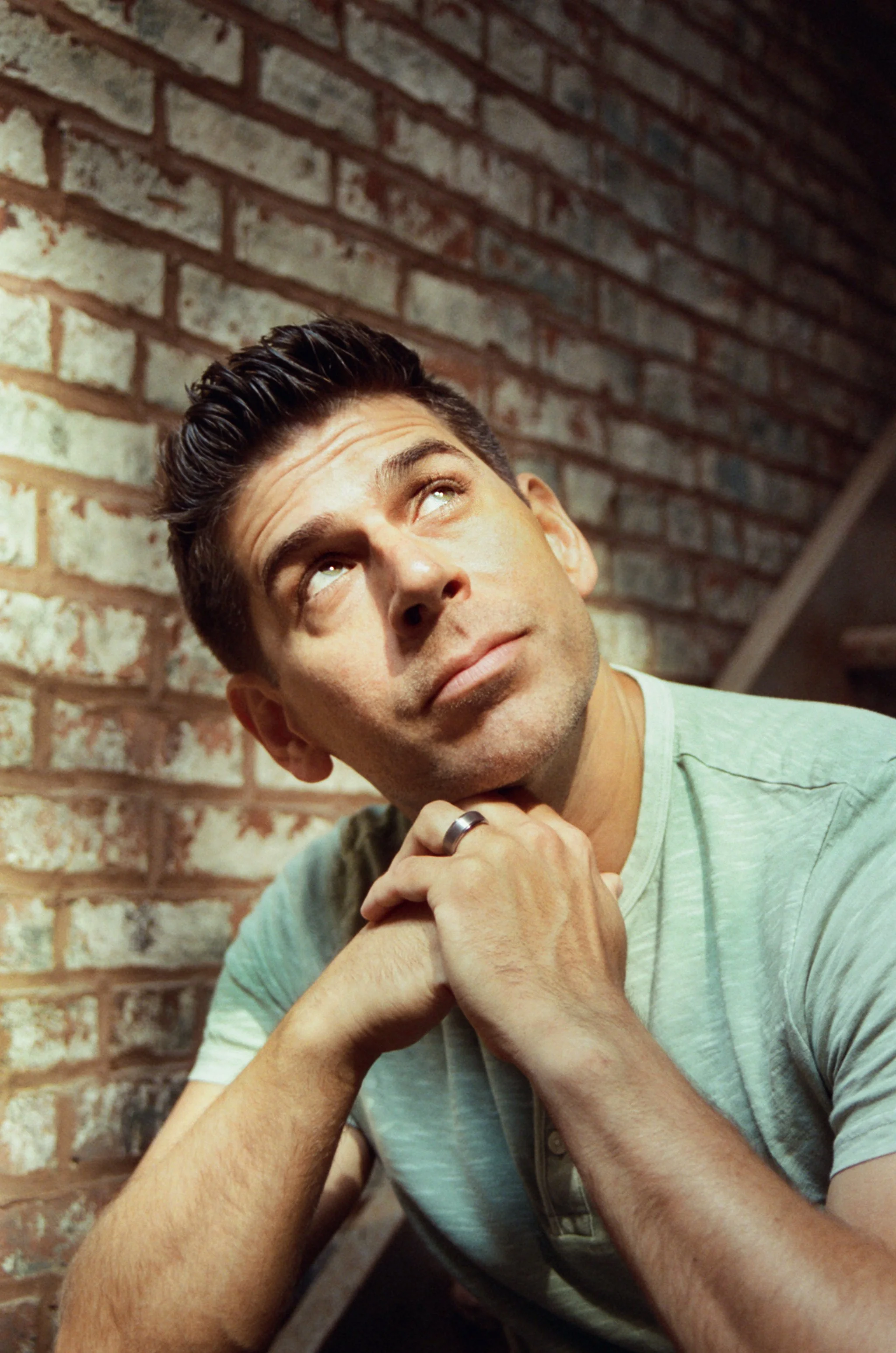
There are moments in a life when language arrives not as ornament, but as rescue. For Carlos Andrés Gómez, poetry began that way. As a teenager moving through a difficult period, he encountered the work of Martín Espada at a high school assembly. What he expected to be a forgettable afternoon instead changed the course of his life. Listening to Espada read from Imagine the Angels of Bread, Carlos felt something shift, as if a voice had reached into the hidden pages of his own life and read them aloud. In that moment, poetry revealed its power to reach into a life and insist that it matters.
Years later, in a full-circle moment, Martín Espada would write the introduction to Carlos’s poetry chapbook Hijito. Across poetry collections, a memoir, and spoken-word studio albums, Carlos’s work moves fluidly between page, performance, and sound, returning again and again to questions of identity, masculinity, lineage, and connection. As a Colombian American artist navigating multiple identities, his voice emerges from the liminal, where language stretches and reforms. His poetry holds tension and contradiction, moving between the personal and political with a cinematic scope while remaining deeply intimate. Over the years, that voice has reached far beyond the page, from performances on HBO’s Def Poetry Jam to viral poems viewed millions of times online.
Carlos’s path through storytelling has never followed a single lane. At an early poetry reading, he caught the attention of a casting director for Spike Lee and was cast in the film Inside Man, appearing alongside Denzel Washington and Jodie Foster. Performance has remained central to his work ever since, from his one-man show Man Up at the Edinburgh Fringe to stages around the world where he continues to bring poetry into conversation with audiences in real time.
To read Carlos Andrés Gómez is to encounter poetry as a way of moving through the world with clarity and courage. It asks something of us, to witness, to feel, to question, and perhaps to change. And if a poem could once save a life, as it did his, Carlos’s work leaves open a larger question: what else might still be possible?
LITERATURE 2026
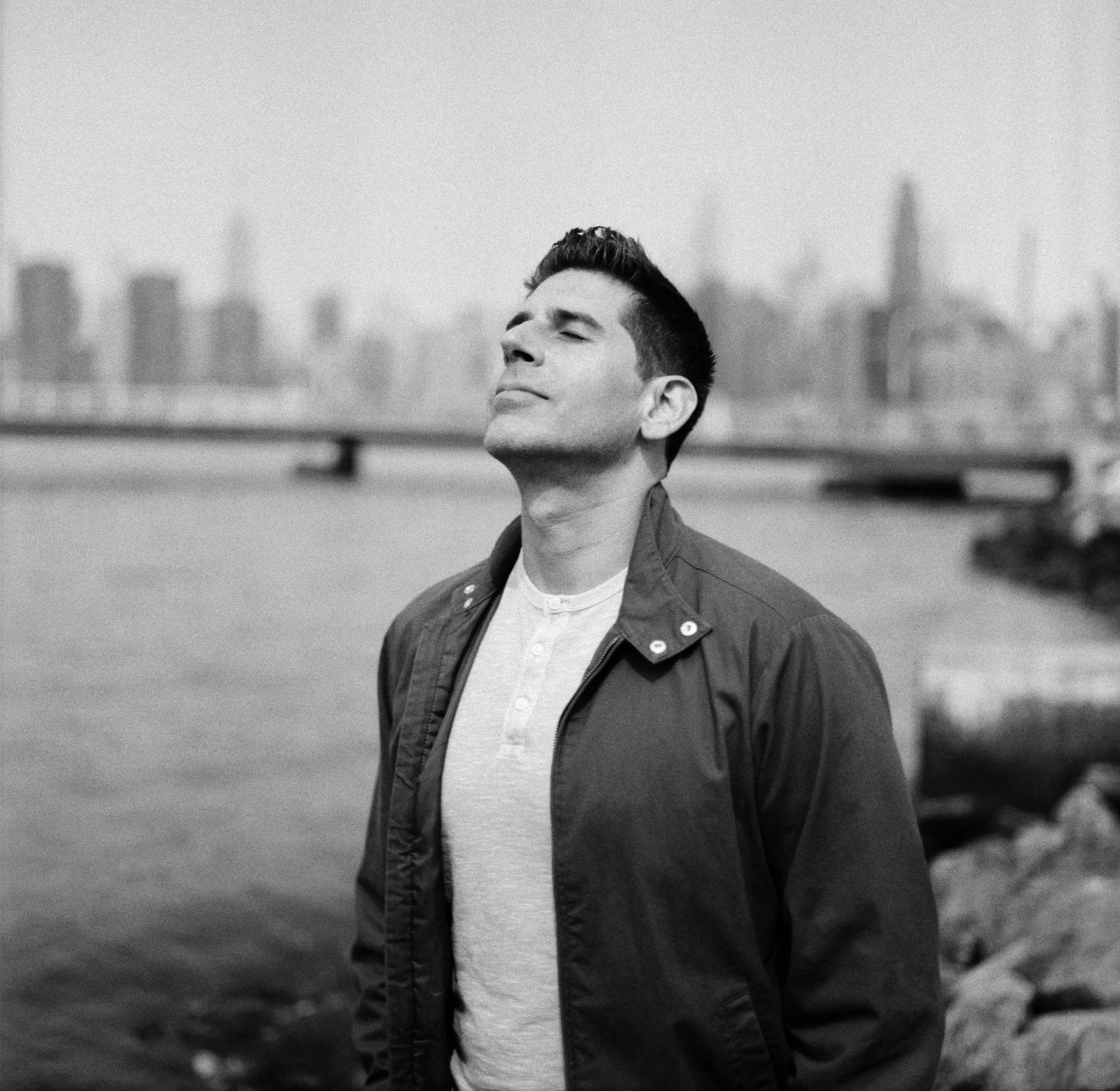
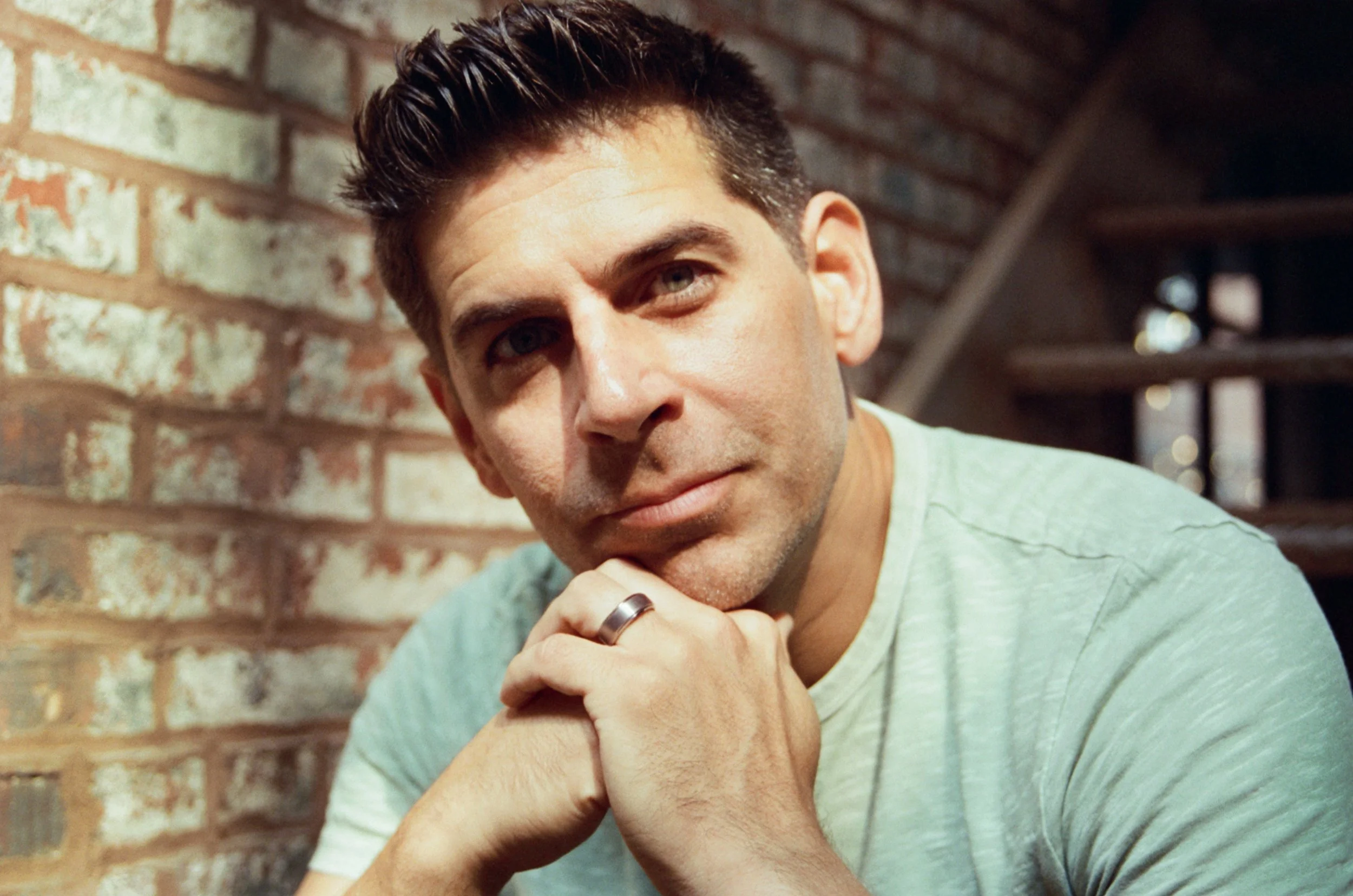
Growing up Colombian American, how has that cultural duality shaped the way you think about language, rhythm, and storytelling?
My many liminalities, both in terms of identity and lived experience, make rejecting reductive and binary thinking intuitive. So many of the dominant paradigms don’t include (or fully represent) me or the people I most love, so why would I align with the status quo?
At its core, my art emerges out of the messy complexities of human experience. Often that means excavating the contradictions, paradoxes, and the multitudinous dimensions of our lives. I think that might explain why my work has often been described as unflinching or gritty or cinematic. I hope, more than anything, that my work is a courageous and uncompromising attempt.
What first pulled you toward poetry? When did you begin to feel that words could carry meaning beyond expression — that they could move or change something in the world?
In a really difficult time in my life, when I was seventeen, the poet Martín Espada came to my high school and read from his poetry collection Imagine the Angels of Bread. As I wept and listened to Martín recite his work, it felt like he was reading excerpts out of a hidden journal buried in my chest. From that moment forward, I viscerally understood the indelible and transformative power of not just a poem but art. I don’t know that I would have survived that year without those forty-five minutes of poems. And it forced me to ask myself, if a poem could save a seventeen-year-old’s life (mine), what else might be possible?
Do you see poetry as a political act, or do you approach it from a more personal place?
I resonate deeply with the feminist maxim: “The Personal is political.” Being very much made possible, as a person and artist, by Black womanist and intersectional feminist icons, much of my work employs a personal lens (and often autobiographical) as a means of reckoning with urgent social and political issues. Rooting those excavations in my personal story anchors what I find and, hopefully, keeps it tethered to the living and breathing world we inhabit.
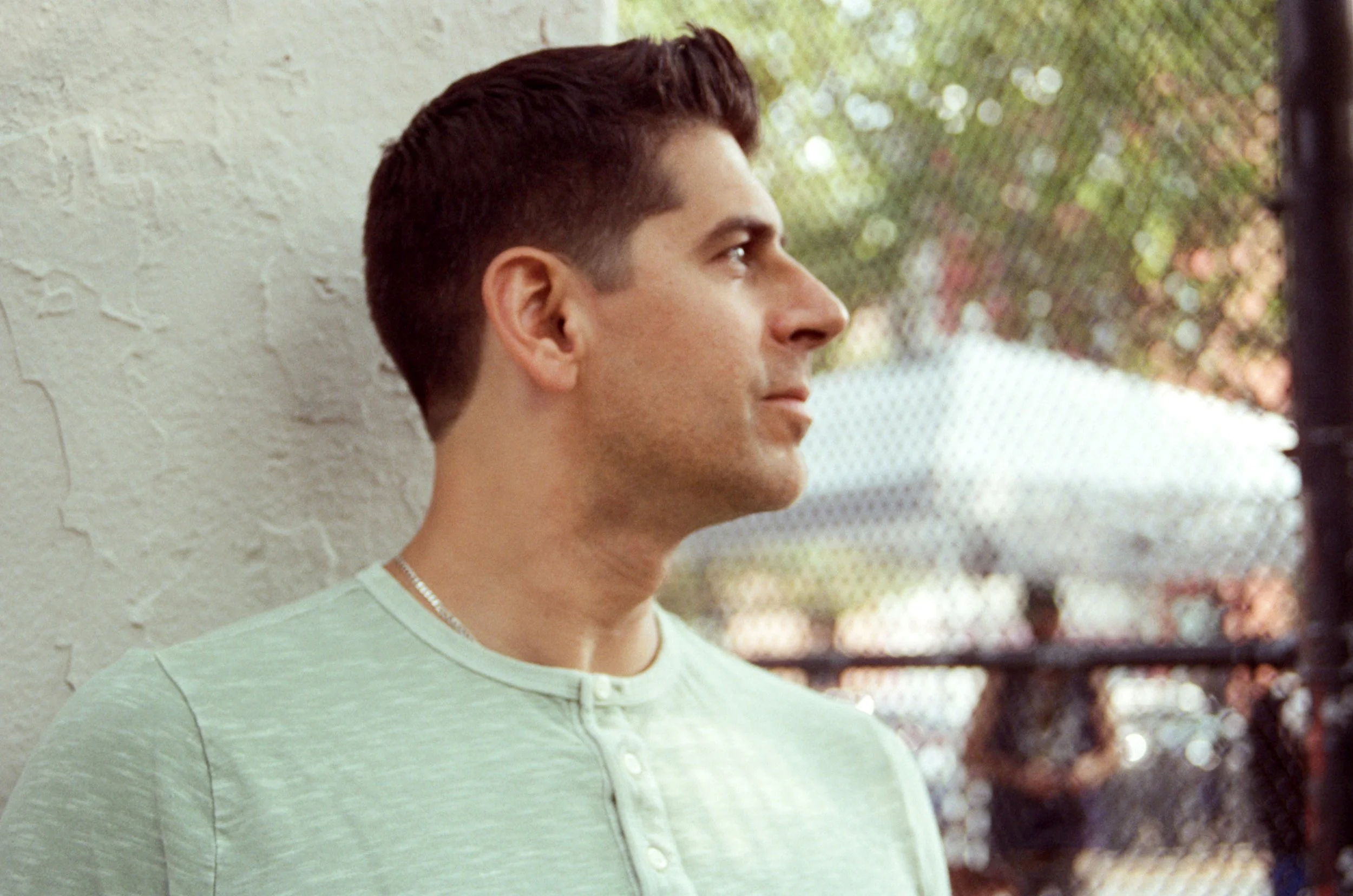
The world feels especially charged right now, politically, emotionally, socially. How do you protect your creative focus while staying connected to what’s happening around you?
It’s such a dystopic moment. I think of hope as a kind of discipline, following the lead of so many great revolutionaries across history who often were navigating even more dire and hopeless circumstances than we’re currently facing. I think about enslaved Africans fighting for abolition in the 1600’s or those working to end apartheid in South Africa in the 1950’s. Many of them knew they would never live to see the end goal they sought…and yet. So much of how I move through the world and what I create is inspired by the ethos underpinning that “and yet.” I will never diminish the blade at the edge of my work. Whether or not authoritarians make laws to restrict speech or outlaw what I write, my art will continue to speak truth to power until I’m in the ground.
Until then though, part of my discipline of staying hopeful and resilient, in spite of everything, is to be intentional about spending time, in person (importantly), with chosen family. I make it a habit to laugh and break bread and gather and gossip and talk shit, as often as possible, with those I love and admire. It’s part of the revolutionary work too.
Family, lineage, and community often appear as threads in your work. What role do those relationships play in your creative life today?
Everything I am and create emerges out of the past that made me possible and the future I’m dreaming and working toward. It’s all interconnected. As I continue to develop as a writer, I notice that more and more of my work folds several worlds into each other, inside a single poem. I’ll write a poem about an intimate and brief experience with my son, and it will also be a poem about lineage and the future and the community I’m trying to build and people being kidnapped by masked men cosplaying as law enforcement and and and…it’s all connected. Family, lineage, and community inspire the work I create and the growth I continue to aspire toward in myself.
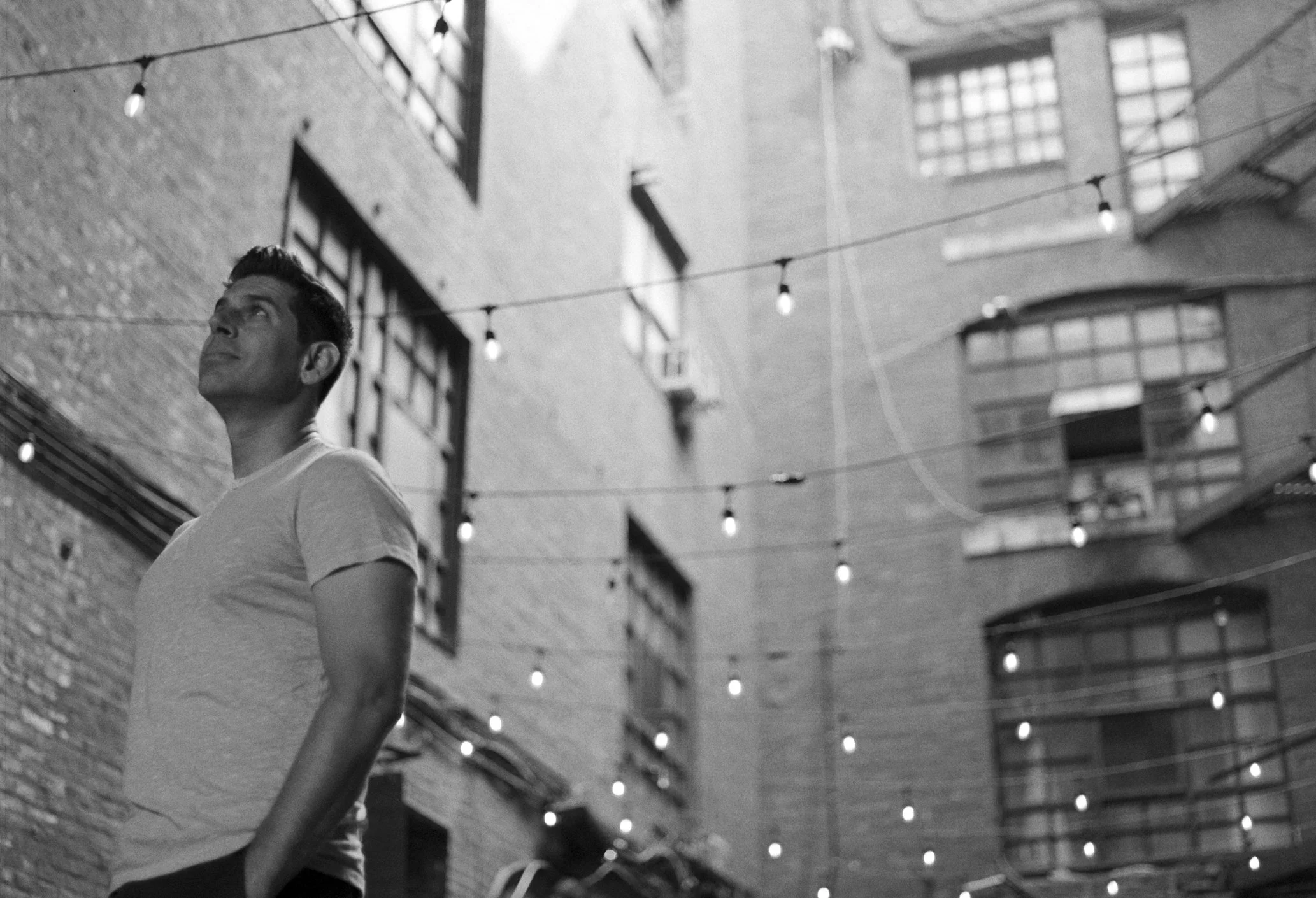
As both an artist and a parent, how do you think about the stories and values you’re passing forward?
I say this often at shows: One of the great gifts of being alive is you get to decide which traditions get passed down and which don’t. Of course, that’s a gross oversimplification in many ways, as we’re each unwittingly and unconsciously carrying forward legacies we wish we didn’t. That being said, there is something powerful about naming the agency and intentionality of attempting to preserve or end cultural norms, values, and practices.
I am so proud to be Colombian, and so much about my heritage and lineage I cherish and celebrate, but there is also so much racism, colorism, sexism, patriarchy, homophobia, transphobia, classism, body shaming, etc., that I was taught to internalize and believe that I remain horrified by. That I was socialized to recognize as innate to my identities as a Colombiano or Latino. I am working hard to end those unconscionable stories and values that diminish (or erase/invisibilize) so many marginalized folks (that are essential to the story of Colombia and Latinidad).
You’ve shared your work in classrooms, theaters, and public stages. How does your relationship to a poem change when you bring it in front of an audience and speak it aloud?
There is something sacred about a poem reverberating through my body and then a room. I’m tapping into a tradition many millennia in the making that transcends language, geography, and culture. When I studied acting, I learned that being “on your voice” makes it difficult to lie in front of an audience. To be untruthful, even if playing a character in an imagined world. When the full vibration and sound of what you’re saying breathes through your torso and chest. It’s why I often get emotional while I’m performing (and, sometimes, in parts of poems that surprise me).
I love the alchemy that kind of radical presence and vulnerability has on a room. It’s proof of magic being real. To transform a room of strangers into these interconnected beings seeming to breathe and feel as one body. Pin-drop silent. Embodying something, ever so briefly, so many of us spend our entire lives trying to create.
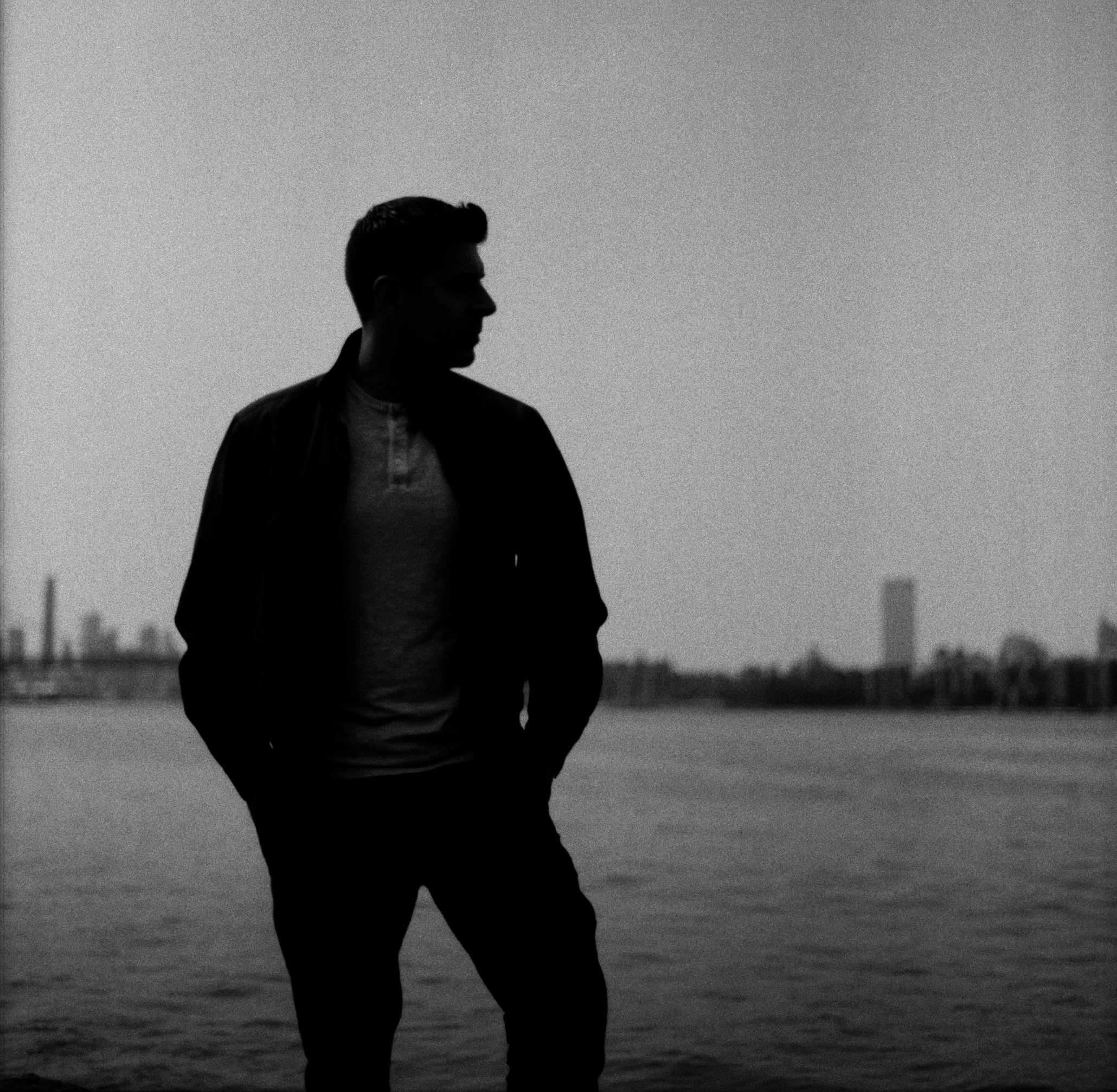
Much of your work explores ideas of masculinity and tenderness. How has your understanding of those themes shifted over time?
The biggest shift in my relationship to how I think about masculinity and tenderness is the realization, after countless vulnerable and profound conversations with boys and men of all different identities across the world, is that so many of us guys crave opportunities for intimacy and tenderness but, too often, don’t know where to find it. So frequently I’ll encounter a hunger in the men I work with to explore their traumas and personal histories and seek out ways to locate connection.
When I was younger and having those same feelings, I mistakenly thought I was alone. That what I was feeling was strange and singular, which only intensified my feelings of alienation. Through sharing my struggles of trying to embrace authenticity, I notice a lot of guys being drawn to me because they see a lot of themselves and their own challenges in what I unapologetically describe.
How do you define what it means to live as a poet beyond the act of writing itself?
Living as a poet for me requires an ethic of deep attention. We live in a world of endlessly fracked attention, of automation, of static and chatbots and screens that hijack the most innate beauties and wisdoms of being human. For me, embodying the great lessons poetry has taught me, and to be in the world as the poet it has shaped me into, means an ongoing generosity with the human and natural worlds I inhabit by giving my attention, heart, and care and not being swallowed by the matrix.
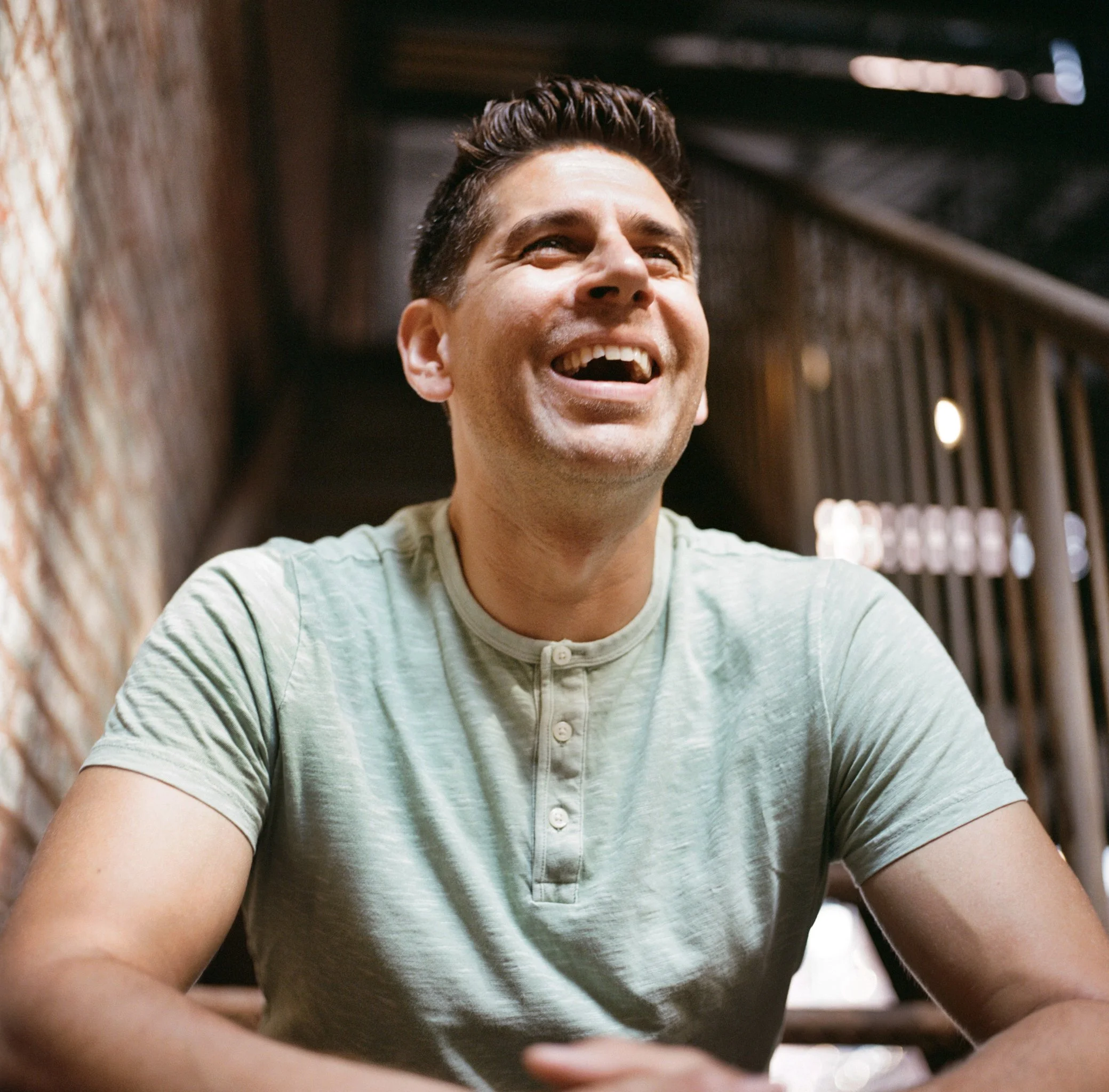
Are there any upcoming projects or new directions you’re excited to share on or off the page?
I continue to tour and perform across the world, which is such a gift (particularly in these fraught times). I’ll be performing in the United Arab Emirates and Macau and dozens of U.S. states in the first half of 2026. As far as the work, I have a new poetry collection, an essay collection, and several screenplays in the works, but all are too early to make any less cryptic announcements about…so stay tuned.
My chapbook, Circling Fatherhood, which won the 2024 Poetry International Chapbook Prize, will be released as a folio through Poetry International later this year or early next.
More than anything, if you’re reading this, I hope to connect with you in person at an event someday soon. We need more time living and breathing alongside each other, in person, in a shared space. I’m working on building a lot more intentional opportunities to gather with folks in real time. We can’t forget the urgency of breaking bread and being both in the presence of and present with each other.
For more info on Carlos Andrés Gómez and his upcoming releases and tours, go to carloslive.com and follow him @carlosaglive